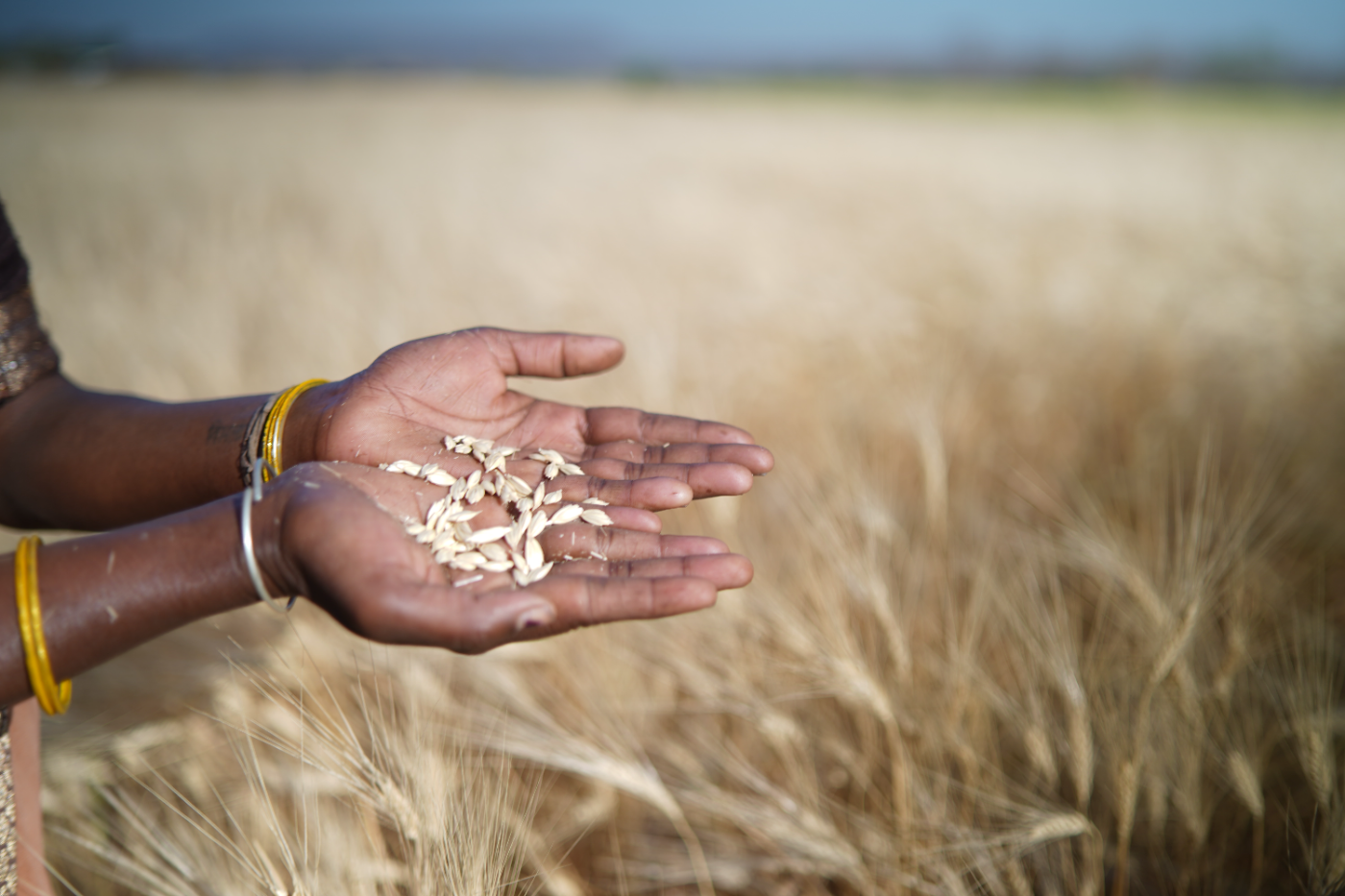
Ask a farmer why they sold the day they harvested and the answer is rarely about price. It is about what happens to the crop tomorrow if they don't.
In the districts we studied, the nearest functioning cold storage sat far enough away that the cost of reaching it, in transport, in a day of labour, in the risk of spoilage on the road, exceeded the premium a farmer could expect by waiting. Selling at the farmgate on harvest day was not a failure of information. It was the rational choice given the infrastructure actually available.
The question for an investor is not whether farmers would use storage. It is how far they can be asked to travel before the maths stops working.
We scored 113 districts against eleven criteria, then took four forward for primary fieldwork. The pattern held in all four: same-day selling was near universal, and the reason given was proximity, not ignorance of market rates.
Siting: the investment case moved from capacity at the mandi to distributed storage within reach of the farmgate.