 Government
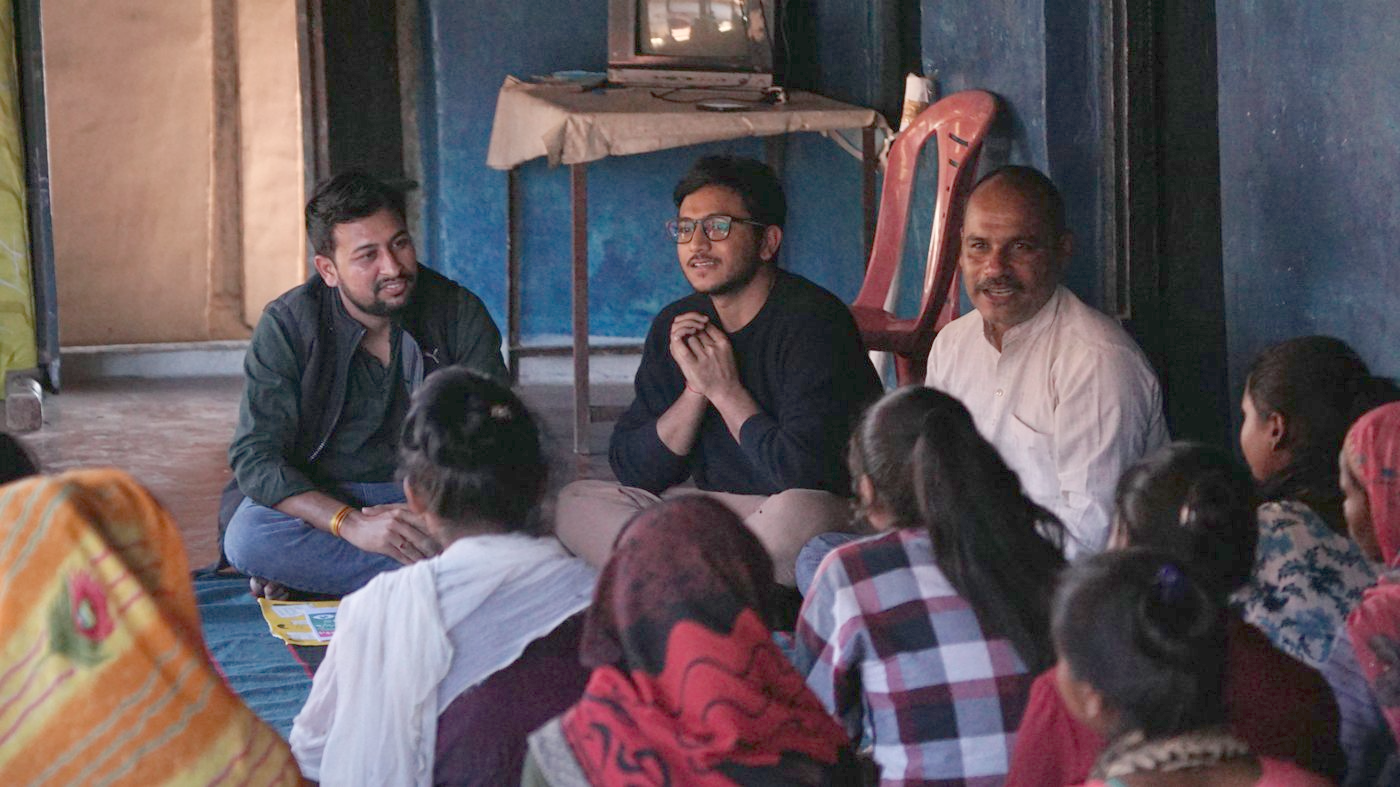
A state department needed evidence on the socio-economic and educational conditions of OBC communities across Madhya Pradesh to support inclusive policy reform.
State-wide mixed-method research: 10,000 household surveys across all districts of MP, FGDs, KIIs, case studies from remote communities, and a secondary review of administrative datasets.
Over 75% of respondents had educational attainment below Class 12. Financial constraints and low awareness emerged as the two largest barriers to higher education. Hostels, scholarships and exam coaching ranked as the most-needed interventions.
Evidence-based policy inputs submitted to the Commission now inform welfare planning, scholarship strengthening and targeted support for marginalised OBC communities. These decisions were previously made without state-wide data.
 Incubator
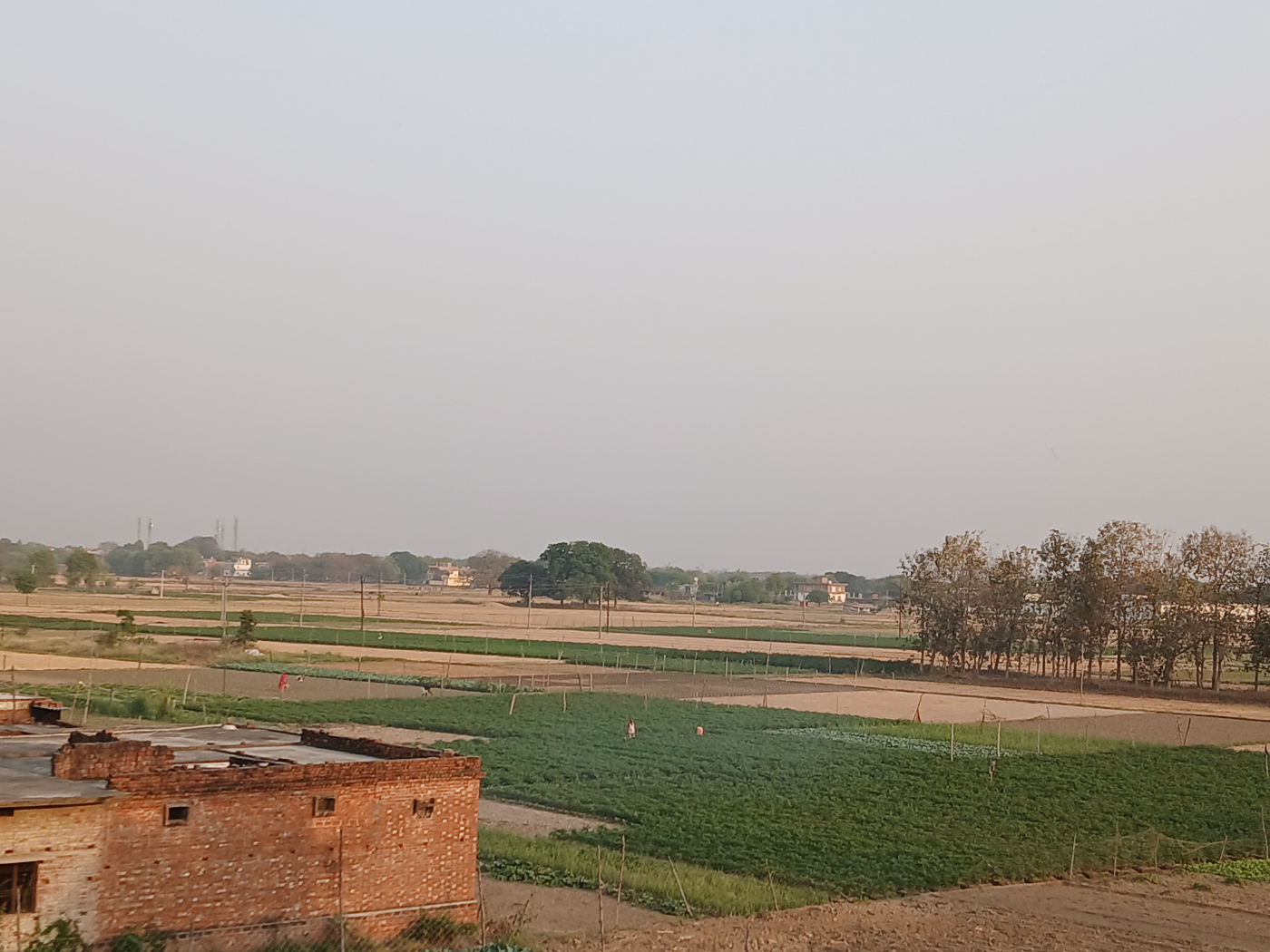
Where, and under what conditions, can micro cold storage (2–10 MT) work for smallholder horticulture farmers?
Phase 1 scored 113 districts on an 11-criterion composite index to select four field districts. Phase 2 interviewed 101 respondents: 69 farmers, 14 traders, 10 FPOs, 3 institutional buyers and 5 government officials, in Hindi, with full transcription.
Farmers lose a mean 21.5 kg per 100 kg post-harvest; 96% sell same-day at distress prices; roughly 90% would use cold storage within 5 km. The dominant failure mode is wrong technology: potato-type cold storage applied to mango and vegetables.
Where micro cold storage gets deployed, with what technology, and under what operating model, all decided on district-level evidence instead of assumption. The finding that wrong technology is the main failure mode redirects capital before it is misallocated.
 Impact investor
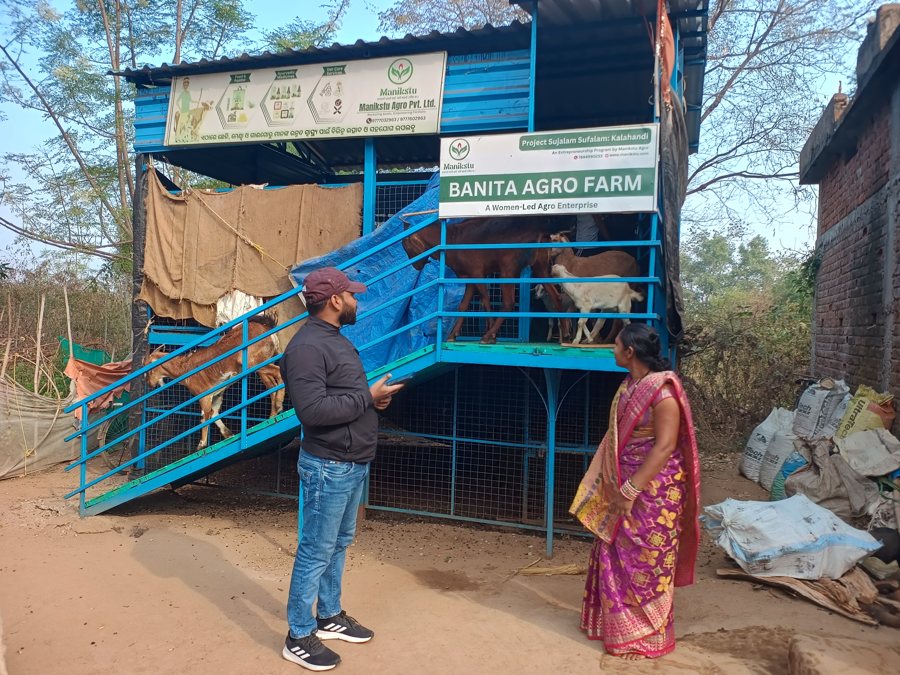
An impact investor needed credible, comparable impact numbers across its portfolio of rural enterprises.
Structured beneficiary surveys, NPS measurement and income-uplift modelling across portfolio companies, from an agri-services platform with 41,500 beneficiaries to a goat-based livelihood model reaching 3,500 tribal households, aggregated into a cumulative portfolio report covering 45,000 beneficiaries.
27.73% average income increase across the portfolio · NPS +39 · caste- and gender-disaggregated beneficiary profiles for every investee.
Portfolio allocation and investor communication now run on measured income deltas rather than investee self-reporting. Every investee is judged on the same evidence standard.
 NGO
NGOWas a STEM education programme in underserved J&K schools actually improving learning?
Quantitative baseline-endline analysis of student performance across grades 8–10, subject-wise assessment of 430 students across 4 schools and 6 STEM modules, plus interviews with founders, trainers and teachers.
Average scores improved 86.66% (baseline 8.46 → endline 14.4). Over 5,000 students across 50+ schools received hands-on STEM learning; 58.29% of participants were girls; 70% of alumni pursued further STEM education.
The programme's scale-up case across J&K now rests on measured learning gains and girls' participation data, not testimonials.
Was a solar-powered light deterrent genuinely reducing human–wildlife conflict and protecting farmer livelihoods?
Treatment-control study with 139 treatment and 35 control farmers across nine states, financial impact assessment, product performance evaluation across terrains, and NPS measurement.
Farmers saved an average ₹21,615 in crop losses and ₹59,866 in livestock, or 14% and 39% of annual income respectively. 93.5% reported major time savings from night guarding; 89% would pay for the product.
Product strategy: after-sales service, anti-theft features, terrain-specific adaptation and farmer communication were redesigned around what 174 farmers across nine states actually reported.
 Social enterprise
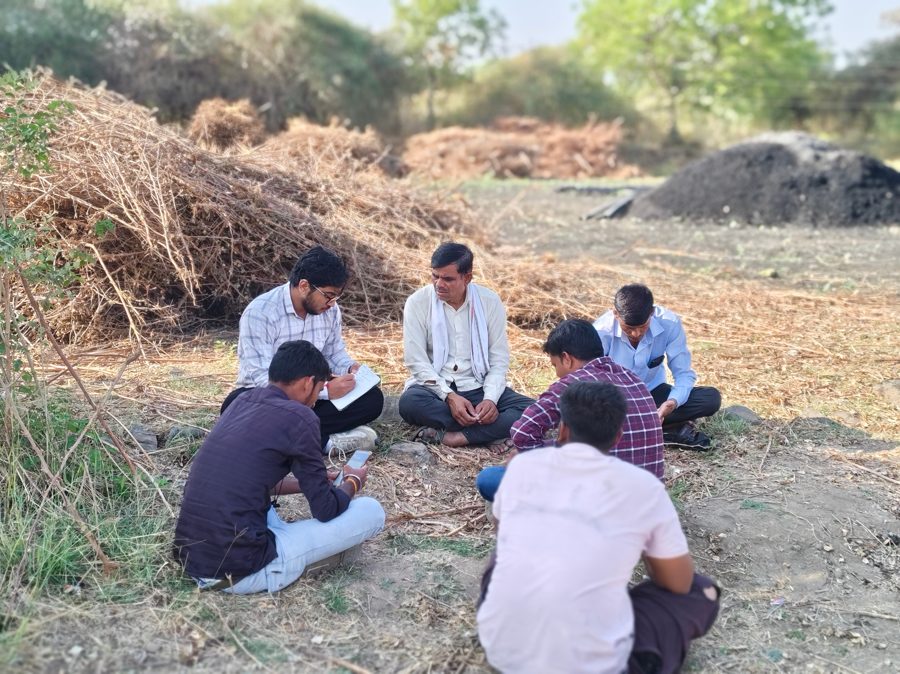
An agri-enterprise sourcing from J&K farmers needed independent, investor-grade verification of its social impact.
Triangulated audited financials, procurement records and farmer case studies; built a conservative kanal-based income model; analysed the demand-to-income transmission from 90,000 urban customers to 1,800 farmers.
Farmer income uplift of 1.8×–2.2× · net additional farmer income of ₹60L–₹91L · post-harvest waste down 60–75% · SROI of 2×–3.5×.
Investors evaluating the enterprise now decide on independently verified, audited-financials-linked impact, not founder claims. The report anchors its fundraising and scale-up case.
 Foundation · women entrepreneurs
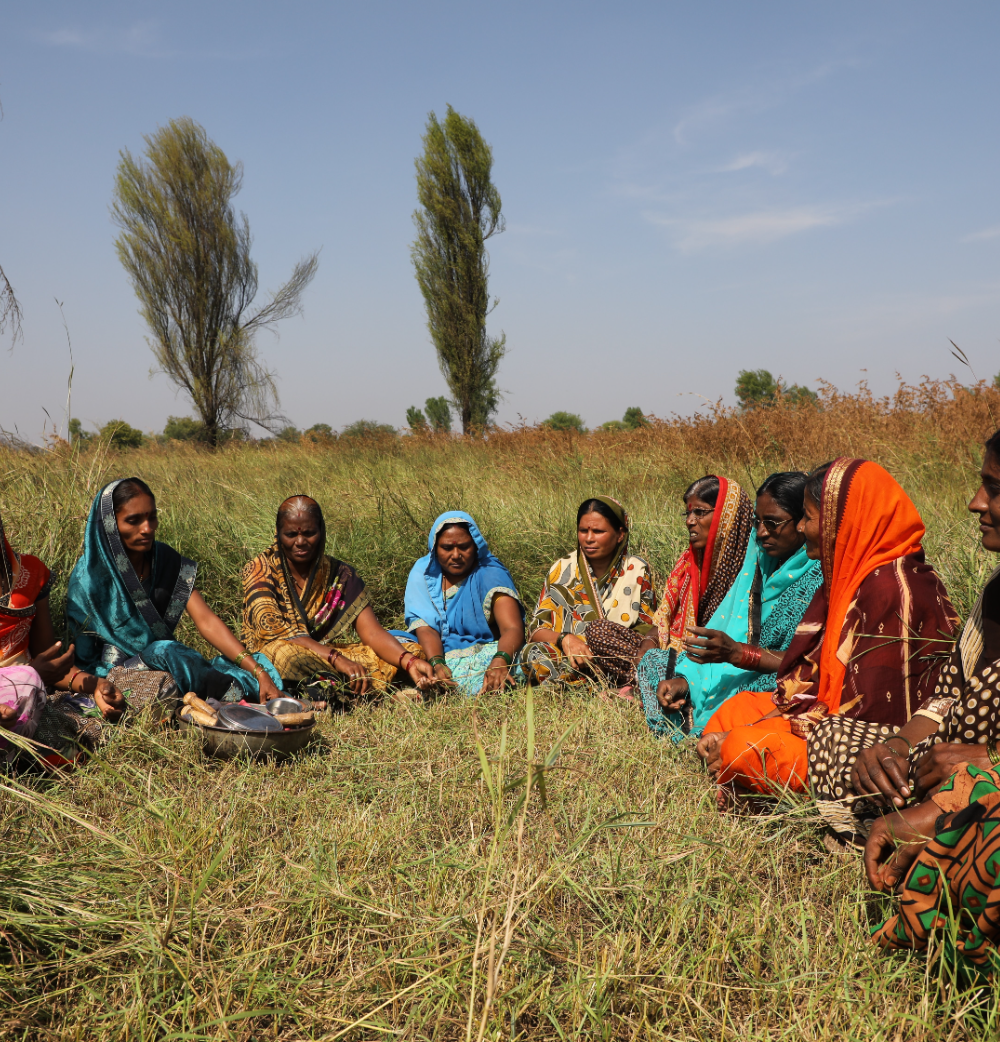
Nasscom Foundation needed training that would genuinely help women entrepreneurs build their enterprises, pitched at their real learning levels, not generic business theory.
We ran a needs assessment to identify what women entrepreneurs actually needed to learn, then researched and developed curriculum across four subjects: product development, market linkage, access to finance and formalisation. We built a trainer deck and trainer manual in clear, accessible language matched to the learners' level, and ran a Training of Trainers so facilitators could deliver it well.
A needs assessment · a four-subject curriculum of 600+ slides · a trainer deck and manual designed for the learners' level · a four-day Training of Trainers. The content will be used to train 2,000 women entrepreneurs across 15 districts in 5 states.
Trainers now teach a curriculum grounded in what women entrepreneurs actually need, so the programme builds enterprises, not just attendance.
Shorter engagements across livelihoods, CSR, artisan enterprise and public administration.